A scene from your world
A quarter turn
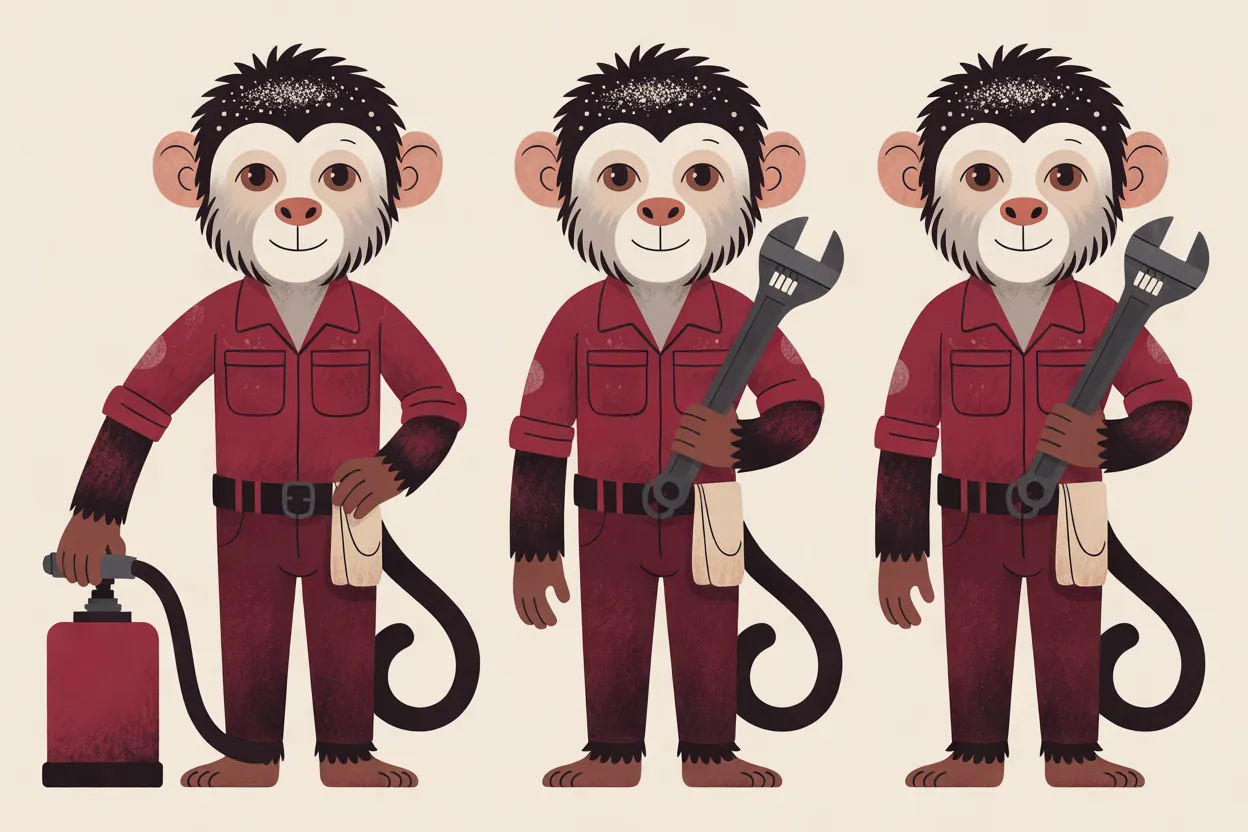
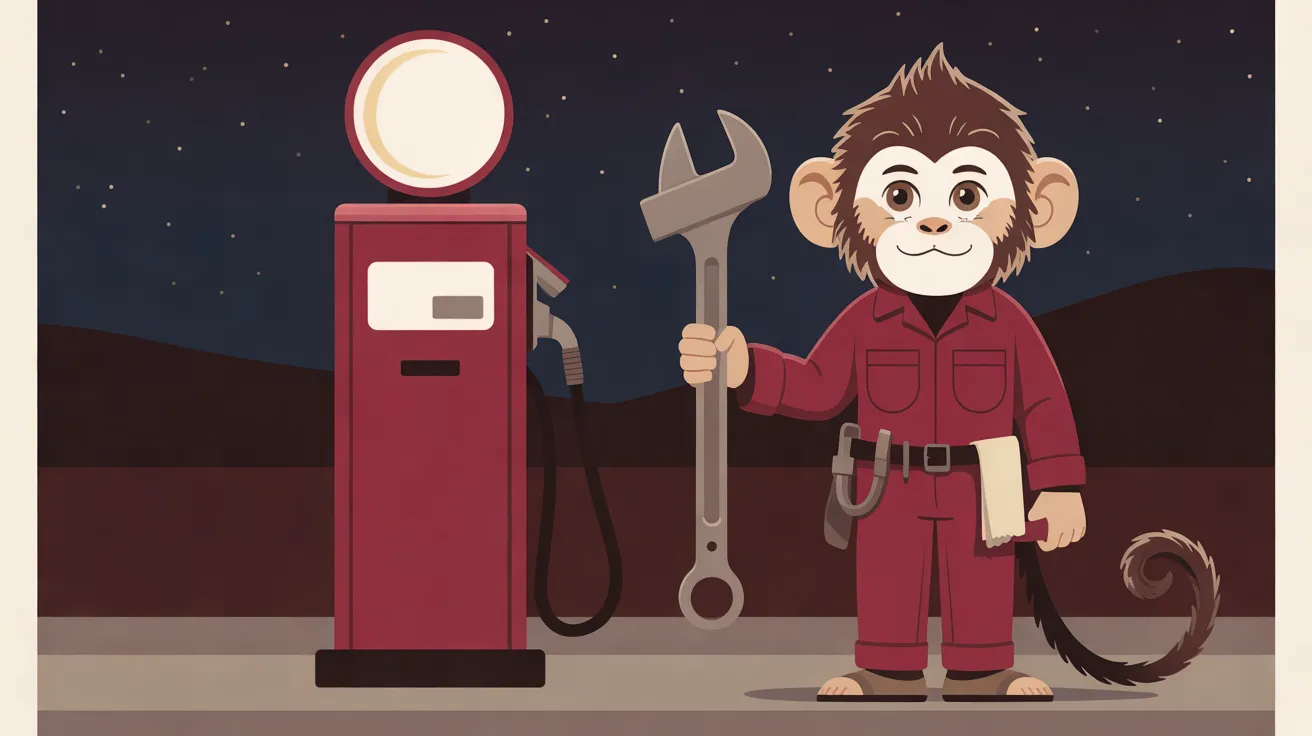
The Night Mechanic hears the car long before he sees it. Out here the road runs sixty miles each way through sagebrush and basalt with no other light on it, and at ten past three the desert is so quiet that a loose bolt carries. Tick, tick, tick, under the wind, in time with the wheels. He sets down his coffee, which smells of vanilla and burnt sugar by this hour, and wipes his hands on the rag in his back pocket.
Headlights come up out of the dark. The car rolls over the bell hose, ding-ding, and stops under the work light by the pump: a long dusty station wagon with a canoe strapped to the roof and a woman at the wheel who has clearly been driving since yesterday. "It started at the last town," she says, climbing out. "Or the one before that. It keeps getting louder, and I don’t know what it is, and I have to be—" He holds up one small hand. She stops.
He tilts his head. The engine is still running, and he lets it talk. The idle is fine. The belt is fine. The tick is not in the engine at all; it is lower down, and it comes and goes with the shiver of the car. He hooks his tail around the handle of the work light, lifts it off its nail and lies back on the creeper, and the forecourt slides away above him.
Under the car it is warm and smells of hot road and old oil. He taps along the exhaust with the end of his wrench, listening after each tap the way other people read. Not the pipe. Not the muffler. Then, by the back axle, a small heat shield hanging by one bolt, nodding with every shake of the idling engine, tick, tick, tick, and beside it the second bolt, walked half a thread loose over a few hundred miles.
A quarter turn. Never a half. He sets the wrench on the bolt, gives it exactly that, and the tick stops in the middle of a beat. Above him the woman says, "Oh," the way people do when a noise they had stopped hearing stops.
When he rolls out she asks what she owes. He points to the wall by the door, where every car that has ever stopped here is written in grease pencil, floor to ceiling, the noise and the fix, and hands her the pencil. She finds a bare patch by the light switch and writes: station wagon, canoe, tick at the back, one quarter turn. Under it, after a moment, she adds: thank you.
Then she is gone, and he stands by the pump and listens to her go until the road has nothing left to say. No tick. In the pump’s round glass face his own reflection looks back at him, cream face, dark cap, the way it does every night. The coffee is cold. Far off, over the next rise, another pair of headlights is coming up out of the dark.